Greensboro sits at a conference point of Piedmont forests, rolling clay hills, and a patchwork of neighborhoods old and brand-new. If you pay attention, you can hear disallowed owls on summer nights, goldfinches in late winter season, and chorus frogs around every retention pond after a heavy rain. Constructing a backyard environment here isn't just a feel-good job. Succeeded, it stabilizes soil, moderates stormwater, minimizes maintenance, and invites native species back into the daily rhythm of your home. It also nudges the regional ecology in the best direction, one backyard at a time.
What makes Greensboro's environment unique
Greensboro's growing season runs roughly from mid-April to late October, with damp summers, lots of thunderstorms, and occasional dry spell spells in late July and August. Soils vary, however lots of areas sit over the red Piedmont clay that condenses quickly and drains badly if maltreated. Typical yearly rains hovers around 43 to 46 inches. Winters stay moderate, yet we do see difficult freezes. Those conditions shape plant options, timing, and how you deal with water.
Local wildlife responds to edge habitats: the border zones where lawn fulfills shrub, shrub meets trees, and wet meets dry. Think chickadees and titmice in dense shrubs, box turtles along leaf-littered edges, and swallowtails patrolling sunlit perennials. Environment is a puzzle of four pieces: food, water, shelter, and safe places to raise young. Greensboro yards can supply all 4, even on a townhouse lot.
Getting real about backyard size and neighborhood rules
Before you sketch a plan, take 20 minutes to walk your home line. Notification where water puddles after storms, where the afternoon sun bakes, and where the soil has a crust. If you reside in a neighborhood with an HOA, checked out the landscaping rules closely. Lots of associations have loosened up limitations to permit pollinator gardens and rain gardens, however they may still request for defined borders, kept heights, and cool edges. Those aren't bad restraints. They push you toward tidy, high-function styles that neighbors appreciate.
I have actually worked on environment tasks tucked into 20-by-20 foot patio areas and sprawling quarter-acre backyards. The error I see frequently is starting too big. An effective wildlife corner beats an unfinished "future garden" each time. Start with one zone, dial it in, then expand.
Reading the site: sun, soil, and water
Stand in the backyard at 8 a.m., midday, and 3 p.m. for a few days. Complete sun here indicates 6 or more hours. Light shade can still support robust native perennials, while deep shade prefers forest species. Greensboro trees like oaks and maples cast wide skirts of root systems; planting too close can result in competition and stunted growth. Offer big roots respect.
As for soil, scoop a handful when it's wet. If it ribbons in between your fingers and stains red, you're handling clay. Clay isn't the opponent. It holds nutrients and remains cool. The technique is not to till it into powder and not to suffocate it. I choose top-dressing with 2 to 3 inches of shredded leaf mold or garden compost and letting earthworms and microorganisms do the tilling. Prevent thick layers of fresh wood chips right versus brand-new perennials. Lay chips on paths, garden compost on planting beds, and provide roots air.
On water: Greensboro storms can dump an inch in an hour. If your downspouts punch craters into the yard, reroute them into a shallow basin planted with moisture-loving natives. If the back corner stays soaked for days, style for wetland edges instead of fighting them.
An environment plan that fits Greensboro life
Structure the space along three vertical layers. Low-growing perennials and groundcovers cover soil, outcompete weeds, and feed pollinators. Midstory shrubs develop hiding places and winter berries. Trees tie everything together, pull water from the soil, and host insects that feed birds. The ratio modifications with lot size, however the concept holds.
In little lawns, select a single native understory tree, a trio of shrubs, and drifts of perennials. In bigger yards, think about an oak or hickory if you can give it room. The acorns matter, but much more essential are the numerous caterpillar types that oaks support, which become baby-bird food in May and June.
Native plants that earn their keep
Plant lists can run long, but a focused scheme works best. You desire species that flourish in Piedmont soils, feed wildlife throughout seasons, and deal structure after frost. Go for staggered flower times from March through late fall, then berries and seeds into winter.
- Trees: White oak (Quercus alba) for those who can plant for the next generation; blackgum (Nyssa sylvatica) with red fall color and bee-friendly spring flowers; redbud (Cercis canadensis) for early blooms that all however hum with bees; serviceberry (Amelanchier arborea) for fruit that disappears to birds by June. Shrubs: Arrowwood viburnum (Viburnum dentatum) for berries and nesting cover; winterberry holly (Ilex verticillata) if you have a wetter spot; oakleaf hydrangea (Hydrangea quercifolia), native to the Southeast, for structure and habitat; beautyberry (Callicarpa americana) with purple fruit that lightens up fall. Perennials and lawns: Black-eyed Susan (Rudbeckia fulgida) and coneflower (Echinacea purpurea) for summer pollinators and winter season seedheads; narrowleaf mountain mint (Pycnanthemum tenuifolium) that brings a cloud of useful pests; blue mistflower (Conoclinium coelestinum) for late-season nectar; little bluestem (Schizachyrium scoparium) and switchgrass (Panicum virgatum) for structure and bird cover; goldenrods like Solidago rugosa or S. canadensis for fall nectar. Groundcovers: Forest phlox (Phlox divaricata) under light shade; green-and-gold (Chrysogonum virginianum) for spring bloom; sedges like Carex pensylvanica to knit edges.
Greensboro is likewise home to deer that pay surprise gos to. Expect searching on hostas and tulips. The majority of the plants above withstand heavy browsing, however brand-new growth can still appear like salad. Usage temporary fencing or repellents the first season.
Water that works for wildlife and the yard
Birdbaths help, however moving water draws more species. An easy bubbler set in a shallow basin, cleaned up weekly, becomes a landing pad for warblers throughout migration and a drinking spot for butterflies. If your yard slopes, produce a little swale lined with river rock that carries downspout water into a shallow rain garden. The technique is to spread and slow the flow. Even a basin 6 to 8 inches deep, planted with hurries (Juncus effusus), blue flag iris (Iris virginica), and cardinal flower (Lobelia cardinalis), can drain within a day and still host dragonflies.
Mosquito concerns turn up instantly. Keep water functions moving or tidy them routinely. In rain gardens, water should infiltrate within 24 to two days. If it remains longer, amend the basin with coarse sand and compost, or minimize the inflow.
Shelter and safe nesting, not just flowers
An environment isn't complete without cover. Birds require thick shrubs that touch the ground, not just the airy, limb-pruned shapes that look great from a distance. Leave a minimum of one brushy corner. If you prune, stack trimmings into a tidy brush stack, 3 to 4 feet high, tucked along a fence, to shelter wrens, toads, and skinks. Dead wood matters. A snag, if it doesn't threaten structures, supports bugs and cavity nesters. If eliminating a tree, consider leaving a 10-foot wildlife snag and let woodpeckers do their work.
Leaf litter is another neglected resource. Instead of bagging fall leaves, rake them into beds as a natural mulch. Luna moths, swallowtails, and lots of other species overwinter in leaf litter. A two-inch layer reduces weeds and secures soil life. If you need a neater appearance, keep a crisp trimming strip or paver edge along courses and driveways. Clean lines make wild areas read as intentional.
Year-round food sources, staggered by season
Focus on connection. In March, redbud and serviceberry wake the backyard. By early summer season, coneflower and mountain mint take control of. Come late summer season into fall, goldenrod and mistflower feed migrating emperors and other butterflies. Winterberry holds fruit into January, and switchgrass seeds feed sparrows on cold mornings. Leave seasonal seedheads up through winter. Goldfinches and juncos will thank you, and the stems host native bees that use hollow cavities to overwinter.
If you grow veggies, consider a pollinator strip close by. In Greensboro, I've seen a simple four-foot run of zinnias, tithonia, and basil boost squash and cucumber yields by a third. The environment work and edible garden play well together.
Managing insects without breaking the web
A chemical quick fix typically creates more problems than it resolves. Aphids invite girl beetles if you provide a little time. Paper wasps construct little nests and patrol for caterpillars. If you want caterpillars for birds, you need to accept a few chewed leaves. When a customer indicate holes in their oakleaf hydrangea, I typically tell them it's a great sign.
Still, there are limitations. Fire ants around patio areas require dealing with. For disease and serious problems, target treatments to specific plants and avoid broad-spectrum insecticides. Skip routine foliar sprays. Instead, construct strength: correct spacing for air flow, watering at the base in the morning, and removing the few infected leaves quickly. If Japanese beetles come down in June, shake them into soapy water early in the day before they warm up.
Balancing visual appeals and function
If a habitat looks like a random weed spot, you'll battle it and your next-door neighbors will dislike it. The best options lean on structure: duplicating plant masses, clear borders, and a clear path. Choose a consistent edging product. In Greensboro clay, steel or aluminum edging holds shape better than plastic. Utilize a narrow mulch path that welcomes you into the garden, not a large moat that breaks the visual flow.
Color assists, but don't chase it. Let flower waves come naturally, then layer textures and seedheads for winter interest. A cluster of little bluestem frosted in January light can be as satisfying as any summer flower.
Water-wise and storm-wise landscaping in Greensboro
Heavy rain followed by heat is a Piedmont pattern. A yard that manages both will conserve you effort. Construct broad, shallow basins instead of deep holes. Usage shape to keep water on-site longer, without sending it towards structures. If you have a sloping front backyard, a low native lawn terrace can slow runoff and keep mulch from drifting downstream throughout thunderstorms.

On irrigation, short-lived soaker hose pipes assist develop plants in the first season. After that, drought-tolerant natives ought to be fine with deep watering every 10 to 14 days throughout dry spells. If your soil is genuinely tight, a screwdriver test works: press a screwdriver into the ground the day after watering. If it hardly penetrates the top inch, your soil needs more raw material and less foot traffic.
A sensible first-year timeline
Month-by-month strategies differ, however in Greensboro a spring or fall planting window gives the best start. Spring soil warms by late April. Fall planting in October and November lets roots develop while the air cools and rain becomes more dependable. Summertime installations can work, however budget plan for watering and shade fabric on vulnerable transplants throughout heat waves.
By the 3rd month, you'll see pollinators. By the very first winter, the garden may look shaggy. Withstand the urge to "clean it up." Cut just what flops onto paths, and leave standing stems up until early March. That timing matters for overwintering pests. In the second year, the garden completes and you can modify. By year 3, maintenance drops to occasional weeding, seasonal mulch top-dressing, and selective pruning.
A short starter palette for a 400-square-foot Greensboro environment bed
Imagine a 20-by-20 foot corner that gets 6 hours of sun, drains moderately, and beings in common clay. Set a main redbud for spring flower, underplanted with forest phlox to bring early pollinators. Flank it with three arrowwood viburnums along the fence to form a green wall and bird cover. In front, plant duplicating drifts of black-eyed Susan, mountain mint, and coneflower for summertime. Along the bright edge, run a ribbon of blue mistflower for fall color. Tuck in little bluestem clumps for winter structure. Add a shallow birdbath on a pedestal near the course and a low brush stack behind the shrubs.
Keep spacing generous. Rudbeckia and mountain mint spread; leave 18 to 24 inches between plants. Mulch gently the very first year to manage weeds, then let plants knit together.
Edges, courses, and the social contract
Neighbors see edges. A neat border says intentional style, not neglect. A 6-inch mowing strip along the sidewalk, a brick edge, or a low evergreen like dwarf inkberry can draw a clean line. If your HOA needs height limits near the street, keep taller plants inside the bed and utilize lower types to deal with the curb. Post a little indication describing the habitat purpose. People respond better when they see a factor, especially when flowers draw pollinators that assist their tomatoes.
Greensboro's city code permits naturalized landscaping so long as it doesn't block sightlines, harbor garbage, or develop risks. If you keep paths clear and sightlines open at corners, you'll avoid complaints.
Common mistakes and how to avoid them
Overplanting is the leading mistake. Those quart pots look little, however coneflower and goldenrod fill area rapidly. Plant in odd-number clusters and leave space for development. Another pitfall is mixing water needs. Blue flag iris belongs in the rain garden; little bluestem desires the dry edge. If your backyard modifications moisture zones over a brief range, utilize that to your advantage.
Beware of the impulse to chase after every "pollinator-friendly" tag at the garden center. Numerous ornamentals feed adult pollinators however supply little for caterpillars. Focus on natives with recorded host relationships. And double-check Latin names. A native viburnum sits beside a non-native that looks comparable but offers far less worth. Local nurseries in the Triad carry strong native stock, and some host plant sales in spring. Ask where plants were grown and whether they're treated with systemic insecticides. Those chemicals can continue flowers and damage bees.
Working with specialists and understanding when to DIY
If you delight in hands-on tasks, you can develop most of an environment yourself with a shovel, wheelbarrow, and a weekend plan. If drain is a problem or if you're constructing a rain garden within 10 feet of a foundation, seek advice from a pro. Firms that focus on landscaping Greensboro NC jobs will understand how the soil acts in your community and can help you steer water safely. The best professionals design for function first, then aesthetics, and they won't oversell irrigation or hardscape you do not need.
Bring a clear brief: images of your yard, an easy sketch, sun notes, and a list of must-haves. Good communication at the start conserves you alter orders later.
Seasonal upkeep that keeps habitat humming
Spring: Top-dress with an inch of garden compost, cut in 2015's stems to 8 to 12 inches in early March so native bees can still emerge from lower cavities, and modify self-seeders where they leap a path.
Summer: Water deeply during droughts. Deadhead selectively if you want prolonged blossom, however leave plenty of seedheads. Watch out for intrusive encroachers like Japanese stiltgrass along shady edges and tug them before seed set.
Fall: Include new plants in October and November. Plant shrubs and trees when soil is still warm. Rake leaves into beds. Divide thick perennials and move them to thin spots.
Winter: Observe. Track where birds enter shrubs, where water sits after rain, and what holds visual interest. Strategy changes with that in mind.
An easy five-step beginning checklist
- Choose one area, approximately 200 to 400 square feet, with a minimum of half-day sun and easy access to water. Map water circulation from downspouts and plan a shallow basin or swale to slow and spread out it. Select a compact plant scheme: one little tree, three shrubs, and 5 to seven seasonal species with staggered bloom times. Prepare the soil by smothering turf with cardboard, adding 2 to 3 inches of compost, and waiting two to four weeks before planting. Install a shallow water feature and a tidy brush pile, then add a clear border to signify intention.
What success looks like
By late spring, you should see native bees working redbud and phlox. Home wrens scold from the viburnum. Skippers and swallowtails move over coneflowers by July. In August, kings dip into mistflower and carry on. On a cold January early morning, sparrows hop amongst little bluestem, tugging seeds while you enjoy from the kitchen window with a cup of coffee. Maintenance takes a couple of hours a month after the very first season. Your gutters deal with storms without sculpting trenches, and your yard feels alive.
The job doesn't need to be grand. It has to be thoughtful. Greensboro's environment provides you a long season to experiment, observe, and change. Start with one bed, respect the site, and let the plants do their work. The wildlife will discover it. And if you need aid along the way, search for regional resources and professionals who know the rhythms of landscaping in Greensboro NC. The outcome is a backyard that holds its own in thunderstorms, hums in high summertime, and keeps you linked to the living world simply https://donovannxww436.lowescouponn.com/creating-a-yard-wildlife-environment-in-greensboro-nc beyond the back door.
Business Name: Ramirez Landscaping & Lighting LLC
Address: Greensboro, NC
Phone: (336) 900-2727
Website: https://www.ramirezlandl.com/
Email: [email protected]
Hours:
Sunday: Closed
Monday: 8:00 AM–5:00 PM
Tuesday: 8:00 AM–5:00 PM
Wednesday: 8:00 AM–5:00 PM
Thursday: 8:00 AM–5:00 PM
Friday: 8:00 AM–5:00 PM
Saturday: 8:00 AM–5:00 PM
Google Maps: https://www.google.com/maps/search/?api=1&query=Google&query_place_id=ChIJ1weFau0bU4gRWAp8MF_OMCQ
Map Embed (iframe):
Social Profiles:
Facebook
Instagram
Major Listings:
Localo Profile
BBB
Angi
HomeAdvisor
BuildZoom
Ramirez Landscaping & Lighting is a Greensboro, North Carolina landscaping company providing design, installation, and ongoing property care for homes and businesses across the Triad.
Ramirez Landscaping & Lighting offers hardscapes like patios, walkways, retaining walls, and outdoor kitchens to create usable outdoor living space in Greensboro NC and nearby communities.
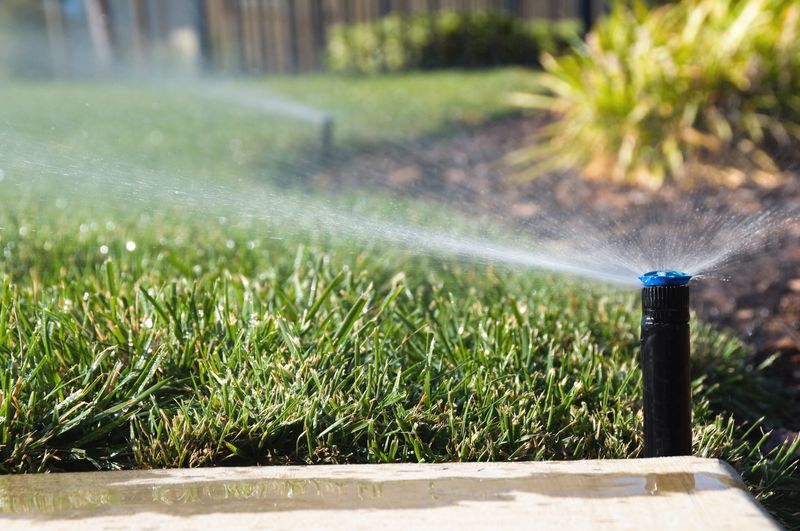
Ramirez Landscaping & Lighting provides irrigation services including sprinkler installation, repairs, and maintenance to support healthier landscapes and improved water efficiency.
Ramirez Landscaping & Lighting specializes in landscape lighting installation and design to improve curb appeal, safety, and nighttime visibility around your property.
Ramirez Landscaping & Lighting serves Greensboro, Oak Ridge, High Point, Brown Summit, Winston Salem, Stokesdale, Summerfield, Jamestown, and Burlington for landscaping projects of many sizes.
Ramirez Landscaping & Lighting can be reached at (336) 900-2727 for estimates and scheduling, and additional details are available via Google Maps.
Ramirez Landscaping & Lighting supports clients with seasonal services like yard cleanups, mulch, sod installation, lawn care, drainage solutions, and artificial turf to keep landscapes looking their best year-round.
Ramirez Landscaping & Lighting is based at 2700 Wildwood Dr, Greensboro, NC 27407-3648 and can be contacted at [email protected] for quotes and questions.
Popular Questions About Ramirez Landscaping & Lighting
What services does Ramirez Landscaping & Lighting provide in Greensboro?
Ramirez Landscaping & Lighting provides landscaping design, installation, and maintenance, plus hardscapes, irrigation services, and landscape lighting for residential and commercial properties in the Greensboro area.
Do you offer free estimates for landscaping projects?
Ramirez Landscaping & Lighting notes that free, no-obligation estimates are available, typically starting with an on-site visit to understand goals, measurements, and scope.
Which Triad areas do you serve besides Greensboro?
Ramirez Landscaping & Lighting serves Greensboro and surrounding Triad communities such as Oak Ridge, High Point, Brown Summit, Winston Salem, Stokesdale, Summerfield, Jamestown, and Burlington.
Can you help with drainage and grading problems in local clay soil?
Yes. Ramirez Landscaping & Lighting highlights solutions that may address common Greensboro-area issues like drainage, compacted soil, and erosion, often pairing grading with landscape and hardscape planning.
Do you install patios, walkways, retaining walls, and other hardscapes?
Ramirez Landscaping & Lighting offers hardscape services that commonly include patios, walkways, retaining walls, steps, and other outdoor living features based on the property’s layout and goals.
Do you handle irrigation installation and repairs?
Ramirez Landscaping & Lighting offers irrigation services that may include sprinkler or drip systems, repairs, and maintenance to help keep landscapes healthier and reduce waste.
What are your business hours?
Ramirez Landscaping & Lighting lists hours as Monday through Saturday from 8:00 AM to 5:00 PM, and closed on Sunday. For holiday or weather-related changes, it’s best to call first.
How do I contact Ramirez Landscaping & Lighting for a quote?
Call (336) 900-2727 or email [email protected]. Website: https://www.ramirezlandl.com/.
Social: Facebook and Instagram.
Ramirez Landscaping proudly serves the Greensboro, NC community and offers quality landscape design services for homes and businesses.
Need outdoor services in Greensboro, NC, visit Ramirez Landscaping & Lighting near Greensboro Arboretum.